HOW I WORK

How decisions get made → how systems get built → how outcomes happen.

This site isn’t a list of duties. It’s a working example of how I think, solve problems, and execute when there isn’t a template handed to me. I built this site from scratch (instead of using a pre-made layout) to show judgment, structure, and real-world problem-solving in motion. I use AI as a support tool — to learn faster, test ideas, and reduce friction — but the decisions, structure, and final execution are mine. I work inside the system, fix what breaks, and refine until it runs clean.

What this page is

A tour of my decision-making — in real scenarios

These examples show how I move from uncertainty to a clear plan, then to a system people can follow — with documentation that holds up later.

You’ll see
  • how I frame the real problem (not just the surface complaint)
  • how I identify constraints (time, compliance, people, risk)
  • how I design a process that works for real humans
  • how I use tools only when they add clarity and speed
Bottom line
  • This shows how decisions get made — not just how tasks get completed.
Examples

Four ways I consistently reduce confusion and increase clean execution.
Example #1
Problem Framing Decision Clarity

How I Think

How I approach complex problems before touching tools or technology: find the real issue, understand the human pressure, surface the risks, and define what “success” actually means.

Thinking pattern

How I move from chaos to clean execution

  1. Step back. Pause the noise. Get the full picture before acting.
  2. Find the real constraint. Identify what’s truly blocking progress (risk, rules, time, structure).
  3. Turn confusion into a path. Convert complexity into clear next steps people can follow.
  4. Build inside the rules. Design the structure so it works with compliance, not against it.
  5. Execute + document. Follow through with clean records so results hold up later.
Includes two real examples
  • 1A: Pro Se Handbook — turning legal confusion into clear next steps for people and small businesses.
  • 1B: Used Car Dealership Overhaul — resolving a licensing blocker with a practical, compliant “office trailer” solution.
Why it matters
  • It shows I’m strategic — not reactive — in high-stakes environments.
Strategic decision-making example
Example #2
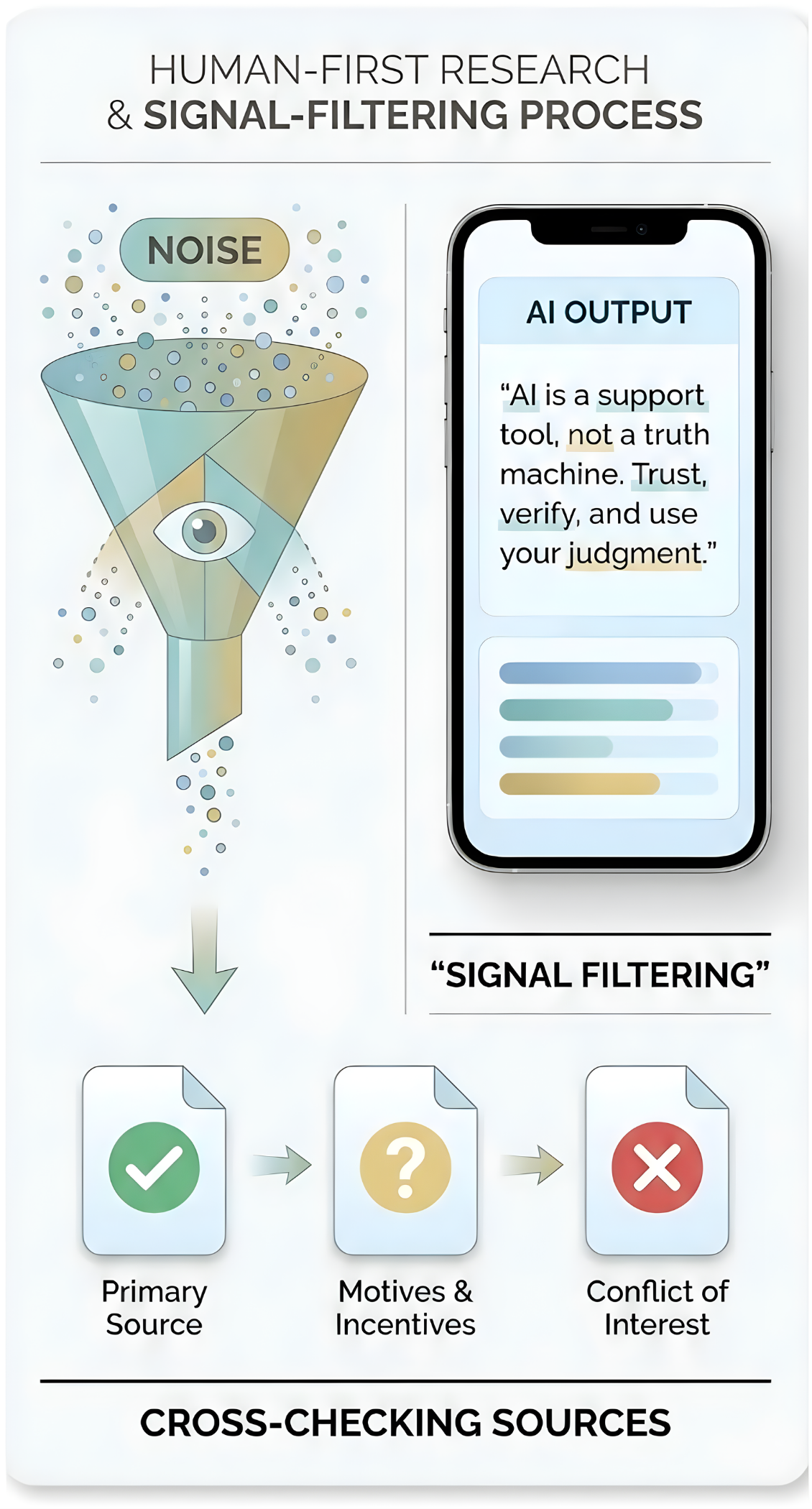
Signal Filtering Source Checks

How I Research

How I research when the stakes are high: not the loudest answer — the missing pieces, hidden assumptions, and incentives behind “expert” opinions.

Highlights
  • separating fact from opinion
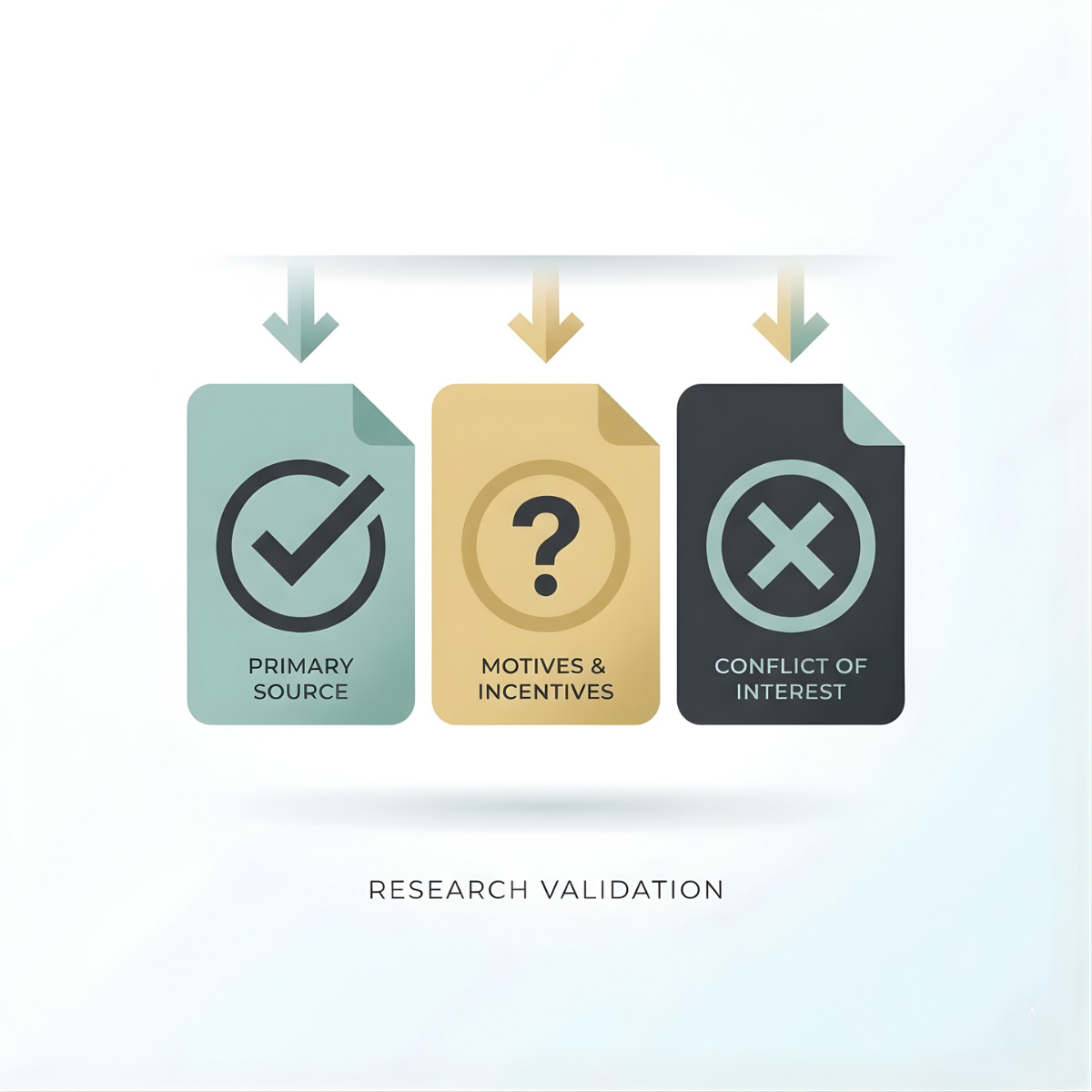
  • spotting conflicts of interest
  • cross-checking sources
  • catching misaligned incentives
  • using AI as support — not a truth machine
Example #3
Repeatable Scalable

How I Build Systems

How I turn complicated processes into clear, repeatable systems that real people can follow — even under stress or time pressure.

Examples
  • Pro Se Playbook structure
  • documentation workflows
  • AI prompt libraries with guardrails
  • SOPs that don’t rely on tribal knowledge
Example #4
Guardrails Accountability

How I Use AI (Responsibly)

How I use AI to reduce friction and increase clarity — without replacing judgment, accountability, or human oversight. AI is an enhancer, not the brain.

What AI supports
  • drafting and rewriting
  • organizing and summarizing
  • checking consistency and completeness
  • explaining complex material in plain language
What stays human
  • final decisions and accountability
  • risk judgment and compliance calls
  • quality control and approvals
  • context, ethics, and discretion
Want a version tailored to your environment?

I’ll map your process and build the system.

Tell me where the risk lives and where the workflow breaks. I’ll design a clean operational blueprint (with AI where it helps — and guardrails where it matters).